
The Mettle of the Valley: A Journey of Stewardship
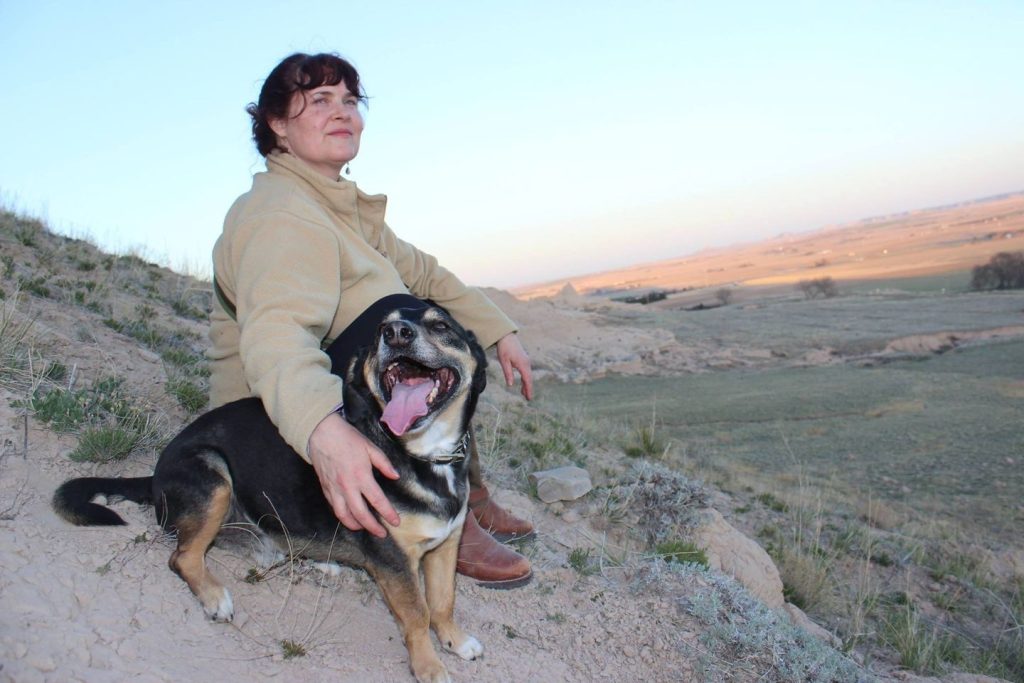
I left the valley when I was 20, searching for my future. At 38, I came home and found it. Every step since has confirmed what was always true—the grit I carried into the world was Nebraska-born, and there is no place I’d rather put it to work than right here at home.
I am a sixth-generation steward of this valley—a farm manager, former publisher, small business owner, and community advocate. My life has taken me from western Nebraska to Washington, D.C., into the corporate world and onto the professional stage—but every path led me home. Today, I bring that experience forward in service to the people of the valley, with a deep commitment to transparency, accountability, and the community that raised me.
ROOTS IN THE VALLEY
My story began in 1968, in Gering, Nebraska.
Summers meant garden-hose drinks, bike rides to the ball diamonds, and dips in the irrigation ditch on triple-digit days. We spent our summers outdoors—barefoot, running, playing until the streetlights flickered and our mother’s call brought us home.
But even in that freedom, there was structure.
My grandfather, Cleo Gering, lived by a quiet creed: God, Country, Family, and the Land. Whether in his Key overalls or a sharply pressed shirt and hat, he moved with intention. The land wasn’t just something he worked; it was something he honored.
Every month brought “clean-up day.” Vehicles were washed, tools scrubbed, and everything returned to its place. He attended church each Sunday and served wherever he was needed, without fail. He baked cakes for the lonely, offering quiet companionship without expectation.
He was a Nebraska Guardsman who flew the flag with pride—steady in a way that made people feel anchored. After he passed, a neighbor called him her “Angel in Overalls.”
No matter how old I grew, he was always Grandpa to me. He gave me my first understanding of what it means to live with purpose.
BUILT BY FAMILY
My father, Don Betz, carried a different kind of strength. As owner of Betz Corporation, he led from the job site—covered in dust and concrete, working shoulder to shoulder with his crew, happiest when the work was hard and done well. From age six, if the phone rang after dinner, it was my job to answer before the third ring: “Betz Corporation, how may I help you?” The company was at the center of our family life, and the dining table became my first workspace. I learned to sound professional, and the farmers calling for quotes got a kick out of me. My dad would take over the call with ease, warmth, and humor. He never hurried, but he never cut corners. From him, I learned to take pride in a job well done and understood that leadership isn’t standing back—it’s rolling up your sleeves and working alongside your team.
While my father demonstrated grit, my mother, Nina, taught me presence.
She insisted I be a “lady”—not in a delicate or ornamental sense, but in a way that required courage, kindness, and awareness. She had me ordering my own meals in restaurants by the age of five, teaching me how to meet the world directly. In our family, shyness was never an excuse to ignore a neighbor.
From her, I learned that how we show up for others matters.
LESSONS FROM THE WIDER WORLD
My path led me from the theatre department at WNCC to the University of Wyoming, and then far beyond the valley to Washington, D.C.
In D.C., I took a job at a high-end restaurant across from the Four Seasons. On a chaotic New Year’s Eve, moving quickly between coats and guests, I caught the attention of Sonya Bernhardt, publisher of The Georgetowner. She noticed my focus and drive and handed me her card: “If you’d like a better job, call me.”
I was hired the next day.
That moment pulled me into a world both polished and demanding—the intersection of politics, media, and influence. Representing the newspaper, I attended press functions and formal events during “The Season,” I observed influential figures like Ruth Bader Ginsburg up close.
I observed how power moved, but I was not part of it. I also learned where my boundaries were. At a networking event, a lobbyist I met in a Georgetown restaurant bathroom offered a warning I never forgot: I could make a great deal of money in DC—but I could also lose my soul.
I listened.
Soon after, my path then took me to North Carolina, where I reconnected with a former theatre classmate from the University of Wyoming. We eventually married. I worked in advertising sales and later stepped into a recruiter role with Matrix Resources, entering the fast-paced world of high tech. I connected top IT talent with companies like BASF, Microsoft, and Oracle—and proved I could thrive in a demanding environment.
When the tech bubble burst, I became part of that shift. Instead of stepping back, we pivoted—founding our own theatre company, New World Stage. For the first time, I became my own boss.
That leap reignited my commitment to the craft. I traveled to New York City for the Unified Resident Theatre Auditions and earned a fellowship at Wayne State University’s Hilberry Theatre Program. I completed my MFA and spent two years performing Shakespeare and regional theatre across the Midwest, honing a discipline that demands total presence.
RETURNING HOME
After earning my MFA and performing across the region, I returned to Nebraska for what I thought would be a mere visit.
Instead, I came home.
I began teaching at the college, directing local theatre, and researching the early settlers of our valley. What became clear was that the determination I admired in history still lived here, in the people around me.
That realization led me to the Gering Citizen, where I generated $5,000 in ads for the first edition in a single week—not by selling space, but by selling belief and hope in our community. Through these conversations, I got to know the people of our valley in a meaningful way, sharing in their love for this place. Eventually, my mother and I purchased the paper, and I became Publisher and Editor.
For seven years, I ran the paper as a working publisher, joined by my husband, Frank, in its last two years. It was a trial by fire. I wasn’t just managing a business—I was serving as a community advocate, ensuring local stories were told with integrity, and local government was held to account. That role sharpened my voice and strengthened my commitment to transparency.
At the same time, I stepped into active management of our family farm. Since 2012, I have navigated USDA programs, managed tenant relationships, and overseen the business of our producing operation. Balancing the deadlines of a newsroom with the demands of agriculture taught me that leadership is, at its core, stewardship—of information, of resources, and of the land.
What once felt like a place I needed to leave became the place I was called to serve.
STEWARDSHIP IN ACTION
Eventually, we made the difficult decision to close the paper. The responsibility had grown heavy enough that my health required a change. Since then, my work has taken quieter—but no less meaningful—forms.
I converted the newspaper office into a yoga studio, helping people reconnect with their bodies and find calm. I also became an independent caregiver for elders and individuals with disabilities, gaining firsthand insight into how vital these programs are—and why accountability is essential to ensure they serve those who truly need them.
I began helping care for a small herd of elder horses—Tigger, Kit, and Lightning—along with Martha the donkey. This work required patience, attentiveness, and a different kind of stewardship. It deepened my connection to the land my grandfather cared for and to the quiet responsibility it carries.
Today, that same land is home to Peaceful Prairie Campsites, where we welcome travelers from across the country. This July, 80 Cub Scouts will camp on the same soil my grandfather once farmed.
That continuity matters. It is a thread of stewardship and service that has carried through six generations.
A VOICE FOR THE COMMUNITY
After this period of quieter service, I re-engaged in local government. It began when a colleague, Brenda Leisy, faced a challenge to her role as Scotts Bluff County Director of Tourism. I attended County Commission meetings to observe—and what I saw concerned me.
Over the past year, I have attended as many meetings as possible. I have seen a lack of transparency and decisions influenced by personal interest rather than clear, accountable process. I chose to speak, to write, and to encourage others to engage.
If we want better government, we must be willing to use every tool available—petitions, recalls, voting, and running for office.
WHY I’M RUNNING
My decision to run for County Commission is rooted in the values that have shaped my family for generations. From my mother, I learned the power of presence. From my father and grandfather, I learned that your word is your bond—and that stewardship is a daily commitment to something larger than yourself.
I love this land. I love its people. I deeply value the agricultural backbone of our valley, and the producers who sustain it. They deserve a government as hardworking and resilient as they are.
My journey—from Washington, D.C., to the corporate tech sector, to the professional stage and the editor’s desk—has prepared me for this moment. I have the ability to research deeply, build consensus, and stand firm in my convictions.
I am running for County Commission because I believe in fairness, strong communities, and honest government. Transparency should not be an ideal—it should be a daily practice.
This valley shaped me. Its people grounded me. And now, I am ready to serve it—with clarity, courage, and the grit that has always called me home.